

Can Dogs Eat Bread? A Vet-Reviewed Guide to Safe Types and Risks
Your dog’s eyes track every piece of bread from the loaf to your plate. Can dogs eat bread, or is this one better left on your side of the table?
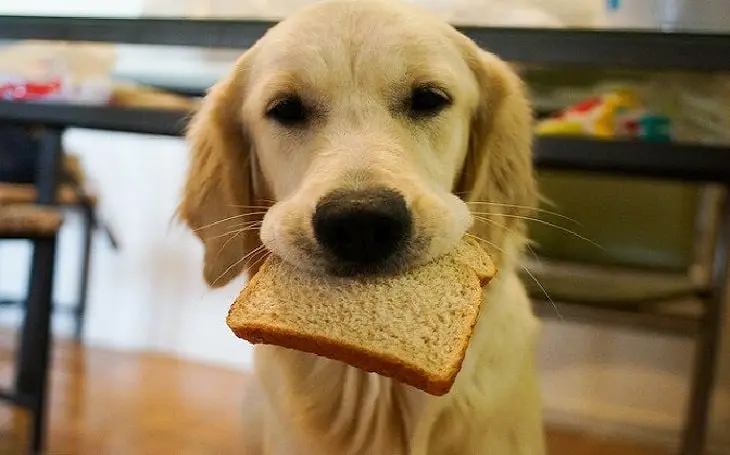
Plain bread isn’t toxic to dogs, and most healthy dogs can handle a small piece without issue. It also isn’t doing them any favors nutritionally — bread is essentially empty calories.
The real caution here isn’t the baked bread itself. Raw bread dough is a genuine emergency, and several popular bread varieties contain ingredients that are outright dangerous.
This guide covers which breads are fine, which ones to avoid, why raw dough is so dangerous, and how much is reasonable to share.
Key Takeaways
- Plain white, wheat, or rye bread is safe for most dogs in small amounts.
- Raw bread dough is a genuine emergency — rising dough can cause bloat and alcohol poisoning.
- Garlic bread, raisin bread, and chocolate-containing breads are dangerous, not just unhealthy.
- Bread offers little nutritional value and shouldn’t become a regular part of your dog’s diet.
- Watch labels carefully for xylitol, nuts, and seeds in specialty breads.
Can Dogs Eat Bread? (Quick Answer)
Yes, plain bread is generally safe for dogs in small amounts. White, wheat, and rye bread, served plain, are unlikely to cause harm to a healthy adult dog.
Bread isn’t nutritionally useful for dogs, though, and it’s high in carbohydrates relative to its benefit. Treat it as an occasional nibble, not a regular snack.
The real risks come from specific ingredients and raw dough, not plain baked bread itself. Whether you ask can dogs eat bread or can dogs have bread, the answer and the caveats are the same.
Is Bread Good or Bad for Dogs?
Neither, really. Plain bread isn’t toxic, but it isn’t nutritious either. According to the AKC, bread is nutritionally empty for dogs, offering carbohydrates and calories without much else of value.
Feeding bread regularly can contribute to weight gain and, over time, may play a role in diabetes risk, since it adds sugar and carbs without nutritional payoff.
What Types of Bread Are Safe for Dogs?
| Bread Type | Safe for Dogs? | Notes |
|---|---|---|
| White bread | Yes, in moderation | Avoid sugar-heavy brands |
| Wheat bread | Yes, in moderation | Slightly more fiber, still processed |
| Rye bread | Yes, in moderation | Check for caraway seeds, which can be harmful |
| Sourdough (baked) | Yes, once fully baked | Raw sourdough starter is hazardous |
| Pita bread | Yes, in moderation | Similar nutritional profile to wheat bread |
| Multigrain bread | Use caution | Seeds and nuts may be unsafe |
Can Dogs Eat White Bread?
Yes. Plain white bread is one of the safer options, as long as your dog doesn’t have a wheat or grain sensitivity.
Can Dogs Eat Wheat Bread?
Yes. Whole wheat bread is similar to white bread nutritionally, with slightly more fiber.
Can Dogs Eat Rye Bread?
Yes, as long as it’s free of caraway seeds, which some dogs don’t tolerate well. Plain rye bread in small amounts is generally fine.
Can Dogs Eat Sourdough Bread?
Yes, but only once it’s fully baked. Raw sourdough starter carries the same risk as any raw dough, covered in detail below.
Can Dogs Eat Pita Bread?
Yes. Plain pita bread is similar enough to wheat bread that most dogs can have a small taste without issue.
Can Dogs Eat Pumpernickel Bread?
Yes, in moderation. Pumpernickel is a dense rye-based bread, so the same caraway seed caution that applies to rye bread applies here too — check the ingredient list first.
Can Dogs Eat Corn Bread?
Use caution. Plain cornbread in a small amount is unlikely to cause harm, but many recipes include added sugar, butter, or honey, which add up quickly in fat and calories.
What Types of Bread Should Dogs Avoid?
Can Dogs Eat Garlic Bread?
No. Garlic is toxic to dogs and can damage red blood cells. Garlic bread should never be shared, regardless of the amount.
Can Dogs Eat Raisin Bread?
No. Even a few raisins can cause acute kidney failure in dogs, and vets don’t fully understand why some dogs are more sensitive than others. Raisin bread should be kept completely out of reach.
Can Dogs Eat Banana Bread?
Use caution. Plain banana bread without added nuts, chocolate, or excess sugar is less risky, but most recipes include at least one of these, so check ingredients carefully before sharing any.
Can Dogs Eat Pumpkin Bread or Gingerbread?
Use caution. Both often contain added sugar, nutmeg in larger amounts, raisins, or other spices that aren’t ideal for dogs. Check the recipe or label before offering a piece.
Can Dogs Eat Seeded or Nut Bread?
Not recommended. Seeds and chopped nuts in specialty breads can cause digestive upset or choking, and some nuts, like macadamia nuts, are genuinely toxic to dogs.
Can Dogs Eat Cinnamon Bread or Soda Bread?
Use caution with both. Cinnamon bread often contains raisins or a sugary glaze, which carry their own risks. Soda bread is usually plain, but some recipes include raisins as well, so check the ingredients before sharing either.
Can Dogs Be Allergic to Wheat or Gluten?
Some dogs have a wheat sensitivity or, less commonly, a true gluten intolerance. Watch for itchy skin, ear infections, or digestive upset after your dog’s first taste of bread, and stop feeding it if you notice a reaction.
If your dog has a known grain allergy, skip wheat, rye, and most conventional breads entirely, and check with your vet before offering any grain-based treat.
Can Dogs Eat Moldy Bread?
No. This is a different kind of risk from the ingredients discussed above. Mold on bread can produce mycotoxins, compounds that may cause vomiting, tremors, or more serious neurological symptoms depending on the type and amount consumed.
Never feed bread past its prime, and if your dog gets into moldy bread from the trash or counter, contact your vet, especially if you notice any unusual symptoms.
Can Dogs Eat Bread Dough or Raw Dough?
No. This is the single most important warning in this entire guide. The Merck Veterinary Manual lists raw bread dough as a recognized food hazard for dogs, and for good reason.
Why Raw Dough Is So Dangerous?
A dog’s warm stomach is an ideal environment for yeast to keep rising, just as it would on a counter. This can cause the dough to expand inside the stomach, leading to bloat, a life-threatening condition on its own.
At the same time, the fermentation process produces alcohol as a byproduct, which can lead to alcohol toxicosis. Symptoms include disorientation, weakness, low body temperature, seizures, and in severe cases, death.
Deep-chested breeds, such as Great Danes, German Shepherds, and Standard Poodles, already carry a higher baseline risk for bloat in general, which makes raw dough an even more serious concern for these dogs specifically.
What to Do If Your Dog Eats Raw Dough?
Treat this as an emergency every time, regardless of the amount eaten. Call your vet or an emergency animal hospital immediately — don’t wait for symptoms to appear, since the dough can continue expanding and fermenting internally.
Can Dogs Eat Toast?
Yes. Toasting doesn’t meaningfully change the risk profile of bread — the same rules that apply to untoasted bread apply here. Keep it plain and skip the butter, which adds unnecessary fat.
Can Dogs Eat Bread Crust?
Yes. Bread crust isn’t any more dangerous than the rest of the slice, despite the slightly tougher texture.
Is Bread Good for Dogs With Upset Stomachs?
Sometimes, under veterinary guidance. Plain toasted white bread is occasionally used as part of a bland recovery diet, often alongside boiled chicken and plain white rice. This should only be done on your vet’s recommendation, though, since bread isn’t appropriate for every digestive issue, especially pancreatitis or diabetes.
What About a Stolen Sandwich?
A dog that grabs a sandwich off the counter is usually fine from the bread alone, but the filling matters more than the bread does. Deli meats are often high in sodium, mustard and some sauces can contain unsafe ingredients, and onion is a common sandwich addition that’s genuinely toxic. Check what was inside before deciding whether to call your vet.
How Much Bread Can a Dog Eat?
Portion size depends on your dog’s weight, and the honest guidance is: keep it small, since bread offers so little nutritional benefit.
Portion Guide by Dog Size
| Dog Size | Weight Range | Portion |
|---|---|---|
| Small | Under 20 lbs | A small bite or two |
| Medium | 20-50 lbs | A half slice |
| Large | 50-90 lbs | One slice |
| Extra large | 91+ lbs | One to two slices |
These are general estimates, not a fixed veterinary prescription. Bread should stay an occasional treat, not a daily habit, and should count toward the overall 10% treat rule for your dog’s diet.
Can Puppies Eat Bread?
Yes, in very small amounts, though there’s little reason to offer it given the lack of nutritional value during a critical growth stage. Puppies are also more vulnerable to the risks of raw dough, so keep rising dough completely out of reach.
Signs of a Problem After Your Dog Eats Bread
Mild Symptoms (More Likely With Plain Bread)
- Mild bloating or gas
- Loose stool
- Reduced appetite
Serious Symptoms (Possible With Raw Dough or Unsafe Ingredients)
Call your vet immediately if you notice:
- Dry heaving or a distended, hard belly
- Disorientation or weakness
- Low body temperature
- Seizures or collapse
How to Safely Share Bread With Your Dog?
Step 1: Choose Plain Bread Only
White, wheat, or rye, with no seasoning, butter, or added toppings.
Step 2: Check the Full Ingredient List
Rule out garlic, onion, raisins, chocolate, xylitol, and nuts before offering any slice.
Step 3: Keep Portions Small
A bite or two is plenty, regardless of your dog’s size.
Step 4: Never Offer Raw Dough
Keep rising dough on a high counter or in a closed oven, well out of reach, especially if your dog is a counter-surfer.
The Bottom Line
Can dogs eat bread? Yes, plain bread in small amounts is generally fine for most healthy dogs, though it offers little nutritional value.
Raw dough is the real danger here — treat any dough ingestion as an emergency. Garlic, raisin, and chocolate breads are dangerous too, not just unhealthy.
This article is general information, not a substitute for individual veterinary advice. If your dog eats raw dough or shows signs of illness, contact your vet immediately.
Frequently Asked Questions
Can dogs eat bread?
Yes, plain white, wheat, or rye bread is safe for most dogs in small amounts.
Is bread bad for dogs?
Not inherently, but it offers little nutritional value and shouldn’t be a regular part of your dog’s diet.
Can dogs eat bread dough?
No, raw dough is a genuine emergency due to bloat risk and alcohol produced during fermentation.
Can dogs eat garlic bread?
No, garlic is toxic to dogs and can damage red blood cells.
Can dogs eat banana bread?
Use caution — check for added nuts, chocolate, or excess sugar before sharing any.
Can dogs eat toast?
Yes, toasting doesn’t change the risk; the same guidance for plain bread applies.
Can puppies eat bread?
Yes, in very small amounts, though there’s little nutritional reason to offer it.
What should I do if my dog eats raw dough?
Call your vet or an emergency animal hospital immediately, regardless of the amount eaten.
Can dogs have bread?
Yes, the same guidance applies as eating bread — plain, in small amounts, with no risky ingredients.
Can dogs eat bread every day?
It’s better as an occasional treat. Daily bread adds unnecessary carbs and calories with little nutritional benefit.
Can dogs eat bread with butter?
It’s best to skip it. The added fat from butter isn’t necessary and can contribute to pancreatitis risk in sensitive dogs.
Can dogs eat bread with peanut butter?
Generally yes, as long as the peanut butter is plain and free of xylitol — check the label every time.
Can moldy bread hurt dogs?
Yes, mold can produce mycotoxins that cause vomiting, tremors, or more serious symptoms. Never feed bread past its prime.





One Comment