

Can Dogs Eat Eggs? Benefits, Risks & Safety Tips
Your dog watches closely while you crack eggs for breakfast. Can dogs eat eggs, or should the plate stay out of reach?
Dogs can eat eggs, but only when they’re prepared the right way. Fully cooked, plain eggs are safe in small amounts. Raw eggs and eggshells carry real risks.
Eggs themselves aren’t dangerous. Cooking method and portion size change everything. Raw eggs can carry bacteria that make dogs sick.
This guide breaks down every part of the egg. You’ll learn safe prep, portion sizes, warning signs, and puppy-specific guidance.
Key Takeaways
- Dogs can safely eat eggs when they’re fully cooked and served plain.
- Raw eggs carry Salmonella risk and can block biotin absorption over time.
- Eggshells are a choking hazard unless ground into a fine powder.
- Eggs are a strong protein source, but portion control matters.
- Watch for vomiting or diarrhea after your dog’s first taste.
Can Dogs Eat Eggs? (Quick Answer)
Yes. Fully cooked, plain eggs are safe for dogs in small amounts.
Skip raw eggs and whole eggshells. These cause most egg-related health problems, not the egg itself.
Treat eggs as an occasional addition to your dog’s diet, not a daily staple. A small portion a few times a week is plenty.
Safety comes down to three things: how the egg is cooked, whether the shell is removed, and how much your dog eats.
Egg Nutrition: What’s Actually Inside
Before deciding can dogs eat eggs as a regular snack, it helps to know what’s actually inside one. Eggs offer real nutritional value in small doses.
Protein
Eggs are a complete protein source. They support muscle repair and healthy energy levels.
Fatty Acids and Vitamins
Eggs also contain essential fatty acids and vitamins A, D, and B12. These nutrients support skin, coat, and nerve health.
Benefits vs. Fat Content
Egg yolks are higher in fat than the whites. Dogs with pancreatitis or weight concerns should stick to small portions, or egg whites only, under a vet’s guidance.
Egg Yolk vs. Egg White
The yolk carries most of the fat, along with fat-soluble vitamins A, D, E, and K. The white is nearly pure protein with far less fat.
Healthy dogs can eat the whole egg. Dogs prone to pancreatitis often do better with just the cooked white.
Why Egg Source Matters
Eggs from trusted, free-range sources carry a lower Salmonella risk than mass-produced eggs. When possible, choose fresh, well-stored eggs before feeding them to your dog.
Can Dogs Eat Cooked Eggs?
Yes, cooked eggs are the safest version for dogs. The egg white and yolk should be fully firm, with no runny sections.
| Cooking Method | Safe for Dogs? | Watch Out For |
|---|---|---|
| Boiled | Yes | Nothing — safest option |
| Scrambled | Yes, if plain | Butter, milk, salt, cheese |
| Fried | Yes, if plain | Oil or butter in the pan |
| Poached | Yes | Nothing — no added fat needed |
| Baked | Yes, if plain | Onion, garlic, spices |
| Raw | No | Salmonella, biotin blocking |
Boiled and Hard-Boiled Eggs
Boiled eggs are one of the easiest options. Boiling requires no added oil or seasoning. Hard-boiled eggs work the same way, as long as both the white and yolk are cooked fully solid.
Scrambled Eggs
Scrambled eggs work well, but only when cooked plain. Skip the butter, milk, salt, and cheese most recipes call for.
Fried Eggs
Fried eggs can be safe too, but only when cooked in a non-stick pan with no oil or butter added.
Poached Eggs
Poached eggs work well since they require no added fat at all, just plain simmering water.
Baked Eggs
Baked eggs are fine as long as they’re cooked plain, without onion, garlic, or spices mixed in.

Can Dogs Eat Raw Eggs?
No, raw eggs aren’t recommended for dogs. Uncooked eggs can carry bacteria that cooking would normally destroy.
Salmonella Risk
Raw eggs may contain Salmonella, even when they look clean. Dogs that eat raw eggs can develop vomiting, diarrhea, and fever.
Biotin Absorption Issues
Raw egg whites contain avidin, a protein that blocks biotin absorption over time. Repeated raw egg feeding may lead to skin and coat problems.
What Vets Generally Recommend
Most vets recommend cooking eggs fully before feeding them to dogs. Cooking doesn’t reduce the protein value. It makes the egg easier to digest, too.
Egg Allergies in Dogs
Some dogs are allergic to eggs, though it’s uncommon. Watch for itching, hives, or swelling after your dog’s first taste.
Digestive symptoms can also signal an allergy, including vomiting or diarrhea shortly after eating. Stop feeding eggs and talk to your vet if you notice any of these signs.
Introducing eggs slowly, one small portion at a time, makes it easier to spot a reaction early.
Can Dogs Eat Eggshells?
Generally, no — not in their raw, whole form. Eggshells carry both a physical and bacterial risk.
Choking and Digestive Risk
Whole or large shell pieces are sharp and hard to chew. They can scrape a dog’s mouth or digestive tract on the way down.
Bacterial Contamination
Raw shells can carry the same bacteria found in raw egg whites. Handling and cleanliness matter if shells are ever used.
When Eggshell Powder Might Be Okay?
Finely ground eggshell powder is sometimes used in home-cooked dog diets for added calcium. This should only happen with a vet’s guidance — too much calcium can cause its own problems, especially in puppies.
Can Dogs Eat Duck Eggs or Quail Eggs?
Can dogs eat eggs from birds other than chickens? The Duck and quail eggs are generally safe for dogs, following the same cooking rules as chicken eggs.
Duck Eggs
Duck eggs are larger and richer than chicken eggs, with more fat per egg. Portion sizes should be smaller than a comparable chicken egg serving.
Quail Eggs
Quail eggs are much smaller, making them a convenient training treat for small dogs. Cook them fully and serve plain, just like chicken eggs.
Can Dogs Eat Deviled Eggs or Egg Salad?
No, both dishes are best avoided. The problem isn’t the egg itself — it’s the ingredients mixed into it.
Deviled Eggs
Deviled eggs typically contain mayonnaise, mustard, and paprika. The added fat and seasoning can upset a dog’s stomach.
Egg Salad
Egg salad usually includes mayonnaise and sometimes onion or celery salt. It’s safer to skip egg salad entirely and offer plain egg instead.
Can Dogs Eat Chorizo and Eggs?
No, this combination isn’t safe for dogs. Chorizo is high in fat, salt, and spices, all of which can trigger digestive upset or pancreatitis.
If you’re sharing breakfast, keep the plain egg and leave the chorizo off your dog’s plate entirely.
Can Dogs With Pancreatitis Eat Eggs?
With caution. For dogs with this condition, egg yolks pose the main problem — they’re high in fat. Dogs with pancreatitis should stick to cooked egg whites only, and even then, in small amounts.
Check with your vet before adding eggs to the diet of a dog with a history of pancreatitis. They can help determine a safe portion, if any.
Also see: Can Dogs Eat Shrimp? Benefits, Risks & Safety Tips
How Much Egg Can a Dog Eat?
Portion size depends on your dog’s weight. Bigger dogs can handle more.
Portion Guide by Dog Size
Show Image
| Dog Size | Weight Range | Portion |
|---|---|---|
| Extra small | Under 10 lbs | ¼ egg |
| Small | 10-20 lbs | ¼-½ egg |
| Medium | 20-50 lbs | ½-1 egg |
| Large | 50-90 lbs | 1 egg |
| Extra large | 91+ lbs | 1-2 eggs |
These amounts apply to plain, fully cooked eggs only. Always introduce eggs gradually to watch for any stomach upset.
How Often Can Dogs Eat Eggs?
Eggs should stay an occasional part of your dog’s diet, not a daily food. Two to three times a week is a reasonable limit.
Frequent servings add unnecessary calories and fat. Treat eggs as a supplement to a balanced diet, not a replacement for it. All treats combined, including eggs, should make up no more than 10% of your dog’s daily diet.
Can Puppies Eat Eggs?
Show Image
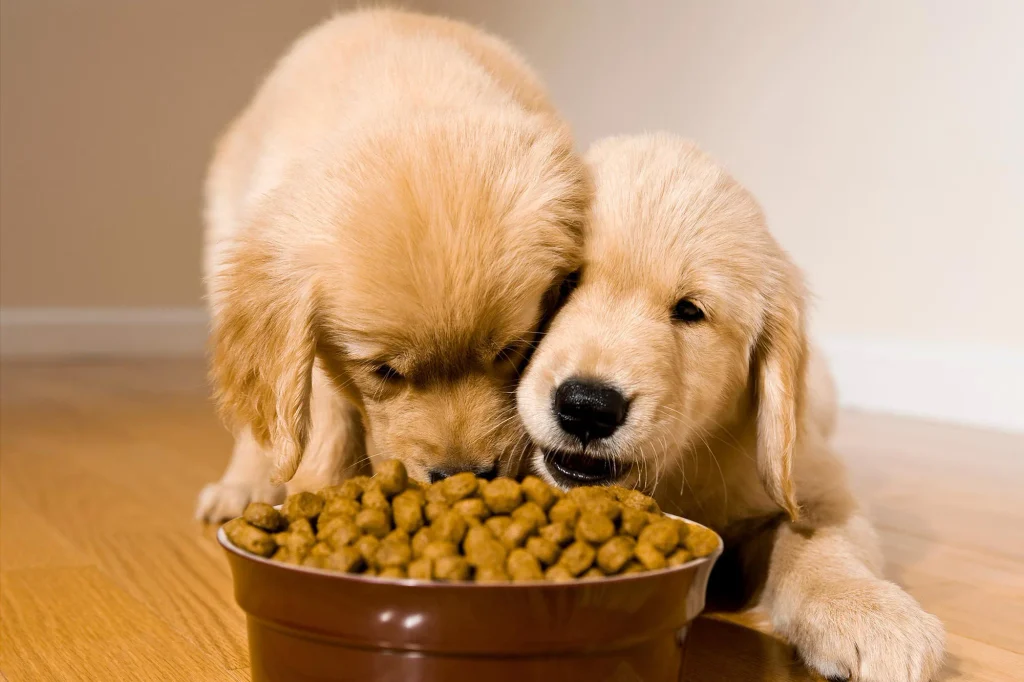
Yes, puppies can eat eggs too, but portions should stay small. Puppies need carefully balanced nutrition for healthy growth, so their regular puppy food should remain the core of their diet.
Puppies have sensitive stomachs. Introduce eggs slowly and watch closely for any digestive upset. Always serve eggs fully cooked, never raw, for puppies especially.
Signs of a Problem After Your Dog Eats Eggs
Watch your dog closely after they eat eggs. Most issues appear within a few hours.
Mild Symptoms
Common mild symptoms include:
- Vomiting
- Diarrhea
- Gas
- Reduced appetite
These symptoms typically pass within a day. Offer water and hold off on treats until your dog feels better.
Serious Symptoms
Call your vet immediately if you notice:
- Persistent vomiting
- Signs of an allergic reaction, such as swelling or hives
- Lethargy or weakness
- Fever or bloody stool
These signs may point to a bacterial infection or allergic response. They require prompt veterinary attention.
How to Prepare Eggs Safely for Dogs?
Preparing eggs correctly removes nearly all of the risk. Follow these steps every time.
Step 1: Cook the Egg Fully
Cook the egg until both the white and yolk are completely firm. Avoid any runny sections.
Step 2: Skip the Extras
Leave out butter, oil, salt, milk, and cheese. Plain is always safest.
Step 3: Cool and Chop
Let the egg cool completely before chopping it into small, manageable pieces.
Step 4: Serve in Moderation
Offer a small portion based on your dog’s size, and watch for any reaction the first time.
Simple Dog-Safe Boiled Egg Recipe
What you need:
- 1 egg
- Plain water for boiling
Steps:
- Place the egg in a pot and cover with water.
- Boil for 9-12 minutes, until fully hard-boiled.
- Let the egg cool completely, then peel and discard the shell.
- Chop into small pieces sized for your dog.
This method skips every risky ingredient. It’s one of the simplest ways to add eggs to your dog’s diet.
The Bottom Line
Can dogs eat eggs? Yes, safely, as long as they’re fully cooked, plain, and given in moderation. A small portion a few times a week is fine for most healthy dogs.
Skip raw eggs and whole eggshells — both carry real bacterial and physical risks. Watch for any stomach upset or allergic reaction after your dog’s first taste.
Frequently Asked Questions
Can dogs eat eggs?
Yes, fully cooked, plain eggs are safe for most dogs in small amounts.
Can dogs eat scrambled eggs?
Yes, as long as they’re cooked plain, with no butter, salt, or cheese added.
Can dogs eat raw eggs?
It’s not recommended. Raw eggs can carry Salmonella and interfere with biotin absorption over time.
Can dogs eat eggshells?
Whole shells aren’t safe, since they’re a choking hazard. Finely ground shell powder may be used only with a vet’s guidance.
Can puppies eat eggs?
Yes, in small, fully cooked portions, introduced slowly and watched closely for digestive upset.
How many eggs can a dog eat per week?
Most healthy dogs can have eggs two to three times a week, with portion size based on their weight.
Are eggs good for a dog’s coat?
Yes, the fatty acids and vitamins in eggs can support healthy skin and a shiny coat.
Are eggs good for dogs?
Yes, cooked eggs offer real nutritional value, including protein, vitamins, and healthy fatty acids.
Can dogs eat quail eggs?
Yes, quail eggs are safe when fully cooked, and their small size makes them a handy training treat.
Can dogs eat duck eggs?
Yes, but duck eggs are richer in fat than chicken eggs, so serve a smaller portion.
Can dogs eat deviled eggs or egg salad?
No, both usually contain mayonnaise and seasoning that can upset a dog’s stomach.
How many eggs can a dog eat a day?
This depends on your dog’s size — see the portion guide above, ranging from a quarter egg to two eggs daily.





2 Comments